The Art of Storytelling in Jewelry Design

Jewelry is not just about adornment; it is a powerful medium for storytelling. Each piece can convey emotions, memories, and narratives that resonate deeply with the wearer. In this blog post, we will explore how storytelling enhances jewelry design, making it more meaningful and personal. We will delve into the elements of storytelling in jewelry, share inspiring examples, and discuss how designers can effectively weave narratives into their creations.
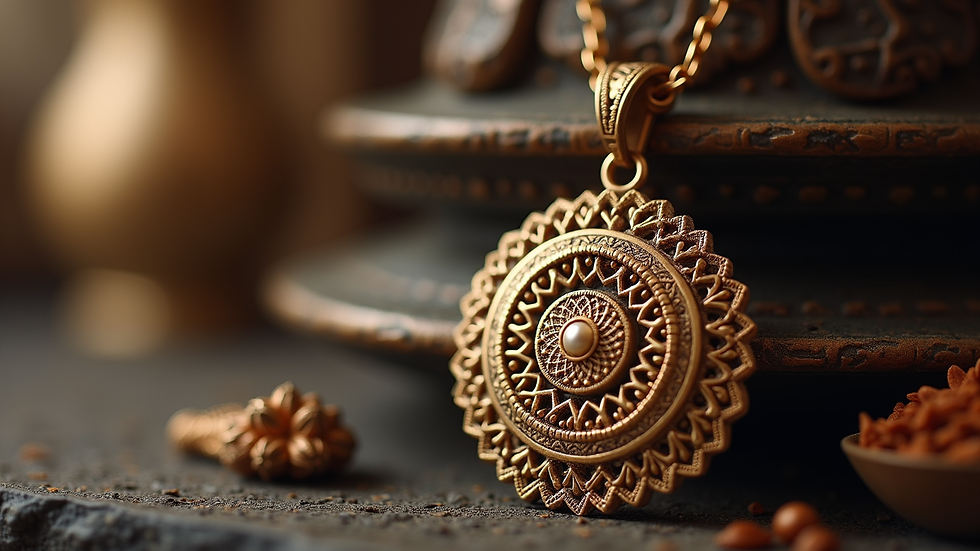
The Importance of Storytelling in Jewelry Design
Storytelling in jewelry design serves several purposes:
Emotional Connection: A story behind a piece can evoke feelings and memories, creating a bond between the jewelry and the wearer.
Cultural Significance: Jewelry often reflects cultural heritage and traditions, allowing wearers to express their identity.
Unique Value: A well-told story can differentiate a piece in a crowded market, making it more desirable.
Emotional Connection
Jewelry often marks significant life events, such as engagements, weddings, and anniversaries. For instance, a custom-designed engagement ring can symbolize a couple's unique journey together. When a designer incorporates personal elements into the ring, such as the couple's initials or a gemstone representing a shared memory, it transforms the piece into a cherished heirloom.
Cultural Significance
Jewelry can also tell stories about cultural heritage. For example, Native American jewelry often features symbols and designs that reflect the wearer's tribe and beliefs. By understanding the cultural context, designers can create pieces that honor traditions while appealing to modern sensibilities.
Unique Value
In a world where mass production is the norm, a compelling story can set a piece apart. Consider the story of a designer who sources materials ethically from local artisans. By sharing this narrative, the designer not only adds value to the piece but also connects with consumers who prioritize sustainability.
Elements of Storytelling in Jewelry Design
To effectively tell a story through jewelry, designers can focus on several key elements:
Materials: The choice of materials can convey a narrative. For example, using reclaimed metals can tell a story of sustainability and renewal.
Design: The design itself can reflect themes or motifs that resonate with the intended narrative. For instance, floral designs can symbolize growth and new beginnings.
Personalization: Customization allows wearers to add their stories to the piece, making it truly unique.
Presentation: How a piece is presented can enhance its story. Packaging, branding, and even the way it is marketed can contribute to the overall narrative.
Materials
The materials used in jewelry can speak volumes. A designer who incorporates ethically sourced gemstones can tell a story of environmental consciousness. For example, a necklace made from conflict-free diamonds not only looks beautiful but also carries a message of peace and ethical responsibility.
Design
Design choices can also reflect deeper meanings. A bracelet featuring intertwined circles can symbolize unity and connection, making it a perfect gift for a friend or loved one. By thoughtfully considering design elements, a designer can create pieces that resonate on a personal level.
Personalization
Personalization is a powerful tool in storytelling. Many jewelers offer customization options, allowing clients to engrave names, dates, or special messages. This personal touch transforms a piece from a simple accessory into a meaningful keepsake.
Presentation
The way jewelry is presented can enhance its story. Thoughtful packaging that reflects the piece's narrative can create a memorable unboxing experience. For example, a jewelry box made from sustainable materials can reinforce the story of an eco-friendly piece.
Inspiring Examples of Storytelling in Jewelry
The Story of the Birthstone
Birthstones have long been associated with personal stories. Each month has a corresponding gemstone, believed to bring luck and protection to those born in that month. Designers often create collections based on birthstones, allowing wearers to celebrate their identity. For instance, a delicate ring featuring an emerald for May can symbolize growth and renewal, making it a thoughtful gift for a graduate.
The Legacy of Family Heirlooms
Family heirlooms often carry rich stories that span generations. A vintage locket passed down through a family can hold photographs and memories of loved ones. Designers can take inspiration from these heirlooms, creating modern interpretations that honor the past while appealing to contemporary tastes.
The Journey of a Custom Piece
Custom jewelry often embodies a unique story. For example, a couple may collaborate with a designer to create a ring that reflects their love story. By incorporating elements that are significant to them, such as a favorite flower or a shared travel destination, the ring becomes a tangible representation of their journey together.
How Designers Can Weave Narratives into Their Creations
Designers can adopt several strategies to effectively incorporate storytelling into their jewelry:
Research and Inspiration: Understanding the cultural and historical context of materials and designs can provide a rich foundation for storytelling.
Engage with Clients: Listening to clients' stories can inspire personalized designs that resonate with their experiences.
Create a Brand Narrative: A strong brand narrative can enhance the overall story of the jewelry. This includes sharing the designer's journey, values, and mission.
Utilize Social Media: Platforms like Instagram and Pinterest can be powerful tools for sharing stories visually. Designers can showcase the inspiration behind their pieces, making the narrative accessible to a wider audience.
Research and Inspiration
Before creating a piece, designers should immerse themselves in research. Understanding the symbolism of different gemstones, the history of certain designs, and cultural significance can enrich the storytelling aspect of their work. For example, a designer creating a piece inspired by ancient Egyptian jewelry can incorporate symbols that reflect the culture's beliefs about life and death.
Engage with Clients
Engaging with clients is crucial for creating personalized pieces. Designers can ask questions about their clients' stories, preferences, and significant life events. This dialogue can lead to designs that are not only beautiful but also deeply meaningful. For instance, a designer might create a necklace that incorporates a client's favorite color and a charm representing a cherished memory.
Create a Brand Narrative
A compelling brand narrative can enhance the overall story of the jewelry. Designers should share their journey, values, and mission through their branding. This narrative can resonate with consumers who appreciate authenticity and transparency. For example, a designer who emphasizes sustainable practices can attract clients who prioritize eco-friendly choices.
Utilize Social Media
Social media platforms are excellent for sharing stories visually. Designers can showcase their creative process, share behind-the-scenes glimpses, and highlight the inspiration behind their pieces. By connecting with their audience through storytelling, designers can foster a sense of community and loyalty.
Conclusion
The art of storytelling in jewelry design is a powerful tool that enhances the emotional and cultural significance of each piece. By understanding the elements of storytelling, designers can create jewelry that resonates deeply with wearers. From the choice of materials to the personalization options, every aspect can contribute to a narrative that is both unique and meaningful. As we continue to explore the intersection of storytelling and design, we invite you to consider the stories behind your own jewelry. What narratives do your pieces hold? How can you incorporate storytelling into your next jewelry purchase or design? Embrace the art of storytelling and let your jewelry speak volumes.
Comments